
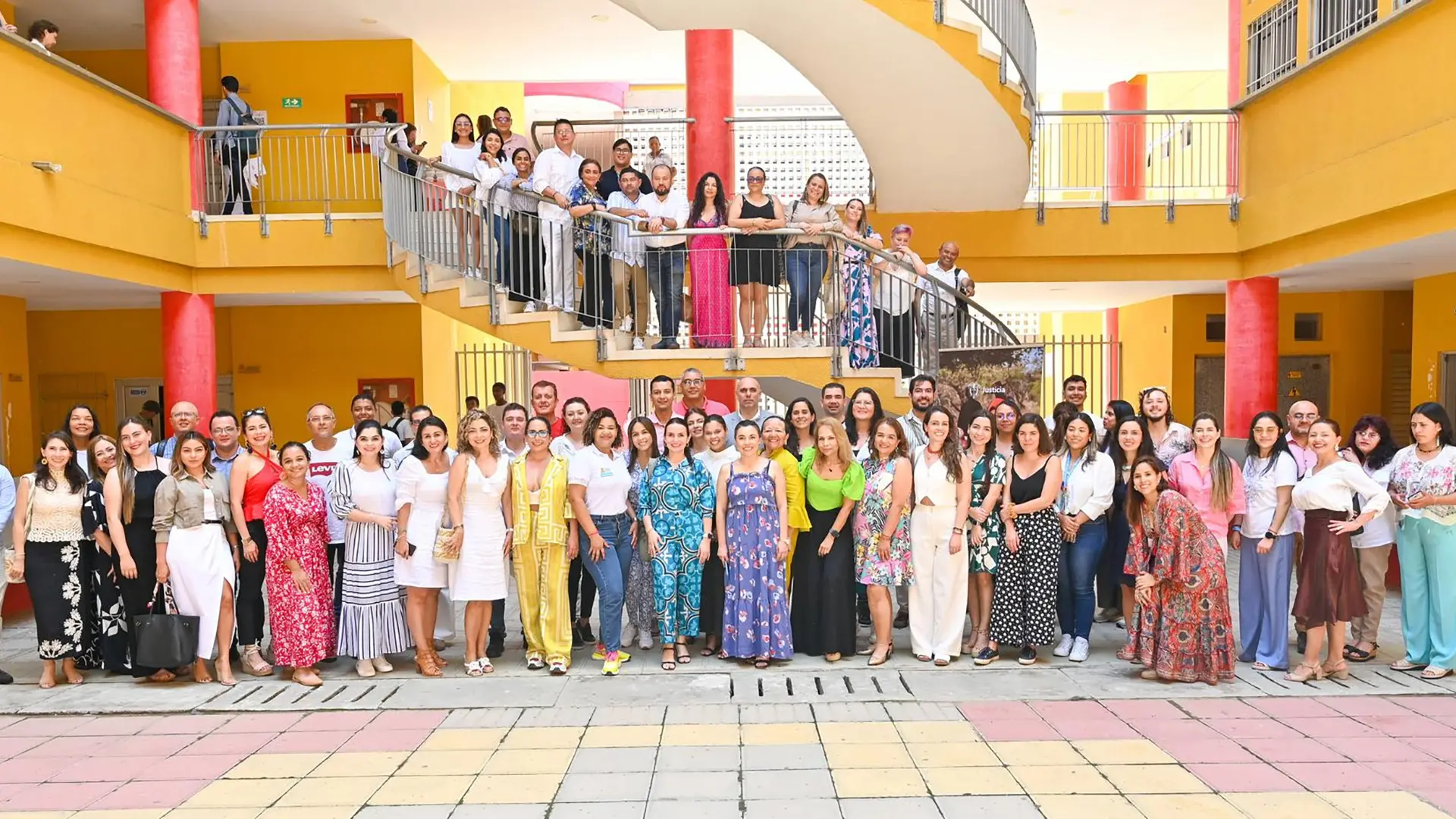
Selected by the Ministry of Justice and Law, the University of La Guajira was the venue for the first National Meeting of 2024 of the Weaving Justice Network, where more than 70 directors of Legal Offices and Conciliation Centers of Colombia participated with the aim of strengthening and enhancing the management and coordination between these agencies. The event was also attended by the director of Formal Justice of that ministry, Constanza García Figueroa and representatives of the agencies Expertise France and the Spanish Agency for International Development Cooperation (AECID).
During the first day, there was an exchange of ideas and experiences on the actions implemented by the participating entities to guarantee free legal assistance and social inclusion. In this space, the results and strategic alliances that have allowed increasing the accessibility to all sectors of the population to these services, regardless of their social, economic, physical, mental and gender situation, were also presented.
Tatiana Romero Acevedo, coordinator of the Group for Strengthening Justice with a Gender and Disability Approach of the Ministry of Justice and Law, highlighted the importance of the activities developed at the Uniguajira facilities because they allow defining clear and joint strategies in favor of the protection of women, LGBTIQ+ persons and persons with disabilities.
Within the framework of the meeting, the decree for the correction of sex in the civil registry and identity documents for non-binary persons was presented, which according to the participants represents a significant advance in the country towards inclusion and recognition of gender diversity, as it facilitates full integration into society by officially recognizing their identity.
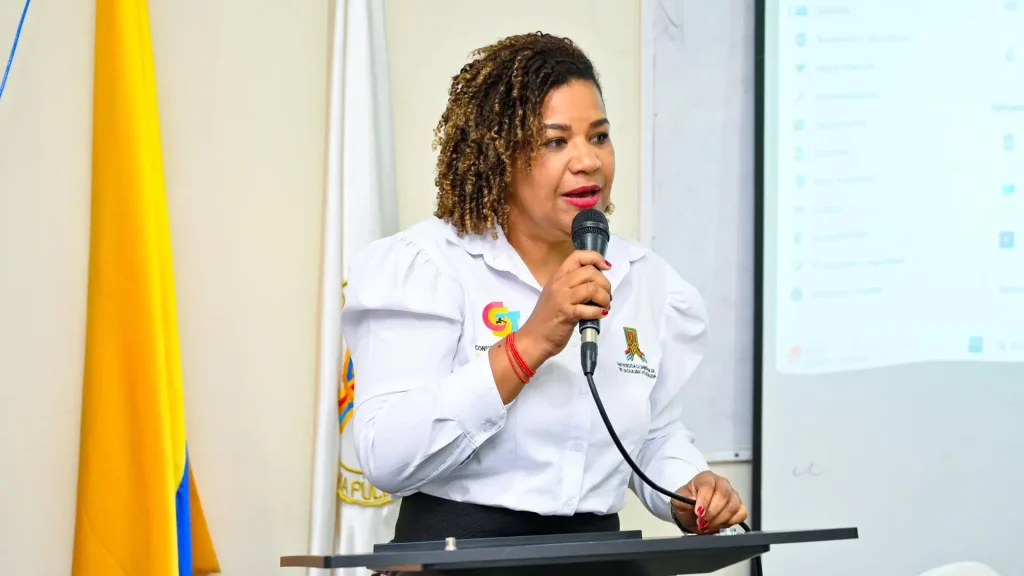
The panel “No roots, no rights: statelessness and its impact on the vulnerability of refugee children and adolescents” was also held, through which the difficulties faced by these populations were made visible. Finally, an innovation workshop was held to strengthen the impact of the network in terms of institutional management and social projection, which contributes to an inclusive society.
Carmen Palmarrosa Brugés, director of the Legal Clinic of Uniguajira, stated that for the institution “the attendance of 70 public and private universities in the country was very important because it favors the articulation of work, the strengthening of academic processes and the guarantees provided to communities in situations of vulnerability to access justice”.
Luis Fernando Ariza Moscote
Journalist Uniguajira