
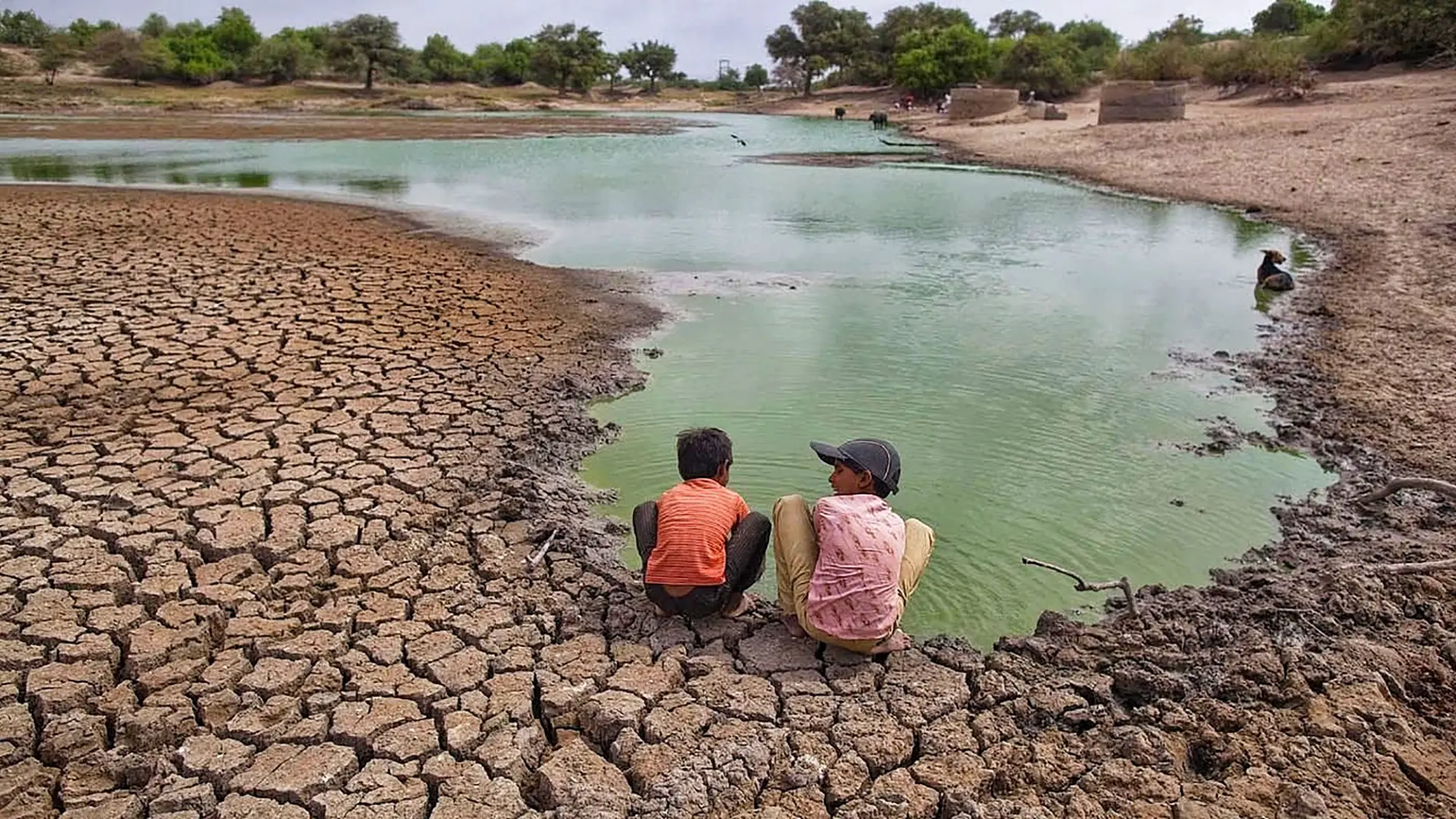
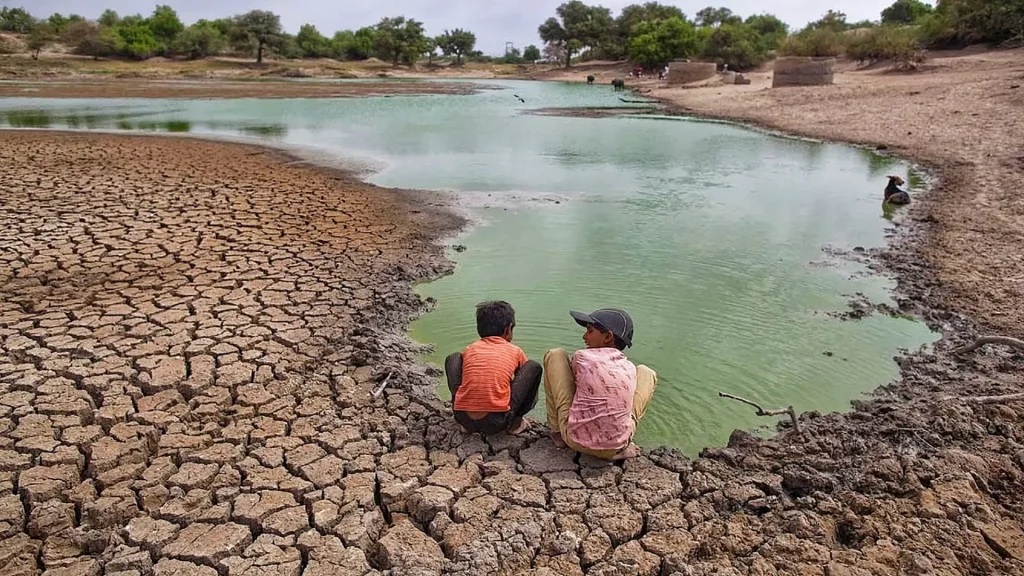
Climate model projections indicate that global warming will exacerbate rainfall variability and extreme events, such as heavy rainfall and drought conditions, in many areas of the world. It is also recorded that the atmosphere can retain up to 7% more humidity for each degree of warming. La Guajira is not exempt from this phenomenon.
In the department, rainfall patterns are determined by the movement of the intertropical convergence zone, topography and regional moisture transport. Since 1980 to date, the lowest rainfall records are between the months of December and February, while the months of May, August, September, October and November are considered the most notorious months.
At the beginning of each year, the northern trade winds, which blow parallel to the coast, reducing rainfall and upwelling that cools the sea surface, intensify. After April, these winds weaken, which, combined with the northward migration of the tropical convergence zone, results in less upwelling and a slight increase in rainfall. Annual recorded averages are 470 mm, 650 mm and 1180 mm for the Upper, Middle and Lower Guajira, respectively.

For the second half of 2024, an increase in precipitation is expected. These predictions are related to the beginning of the hurricane season and the cooling of the Pacific waters, which may lead to the La Niña phenomenon, related to this increase in the last 40 years. In fact, annual precipitation in the Middle Guajira may exceed the annual average by up to 76%, while in the Lower Guajira it may increase by up to 27%.
In recent years, Media Guajira has experienced heavy rainfall events with values above 60 mm/day during May, September and November. Using the term “heavy” may not be correct if we only take into account flooding in the department, however, these are more related to infrastructure in urban centers, poor risk management and unplanned community settlements. What is certain is that projections indicate that they will increase, along with river flows.
Thus, climate variability in La Guajira poses challenges in terms of water management, agricultural productivity and infrastructure development. It is important that local authorities and communities adapt to these changing conditions to mitigate the impacts of extreme weather events and ensure the sustainability of the region's resources.
Heli Alfonso Arregocés Reinoso
M.Sc. in Engineering, PhD (c) in Environmental Engineering
Professor of the Faculty of Engineering of Uniguajira