
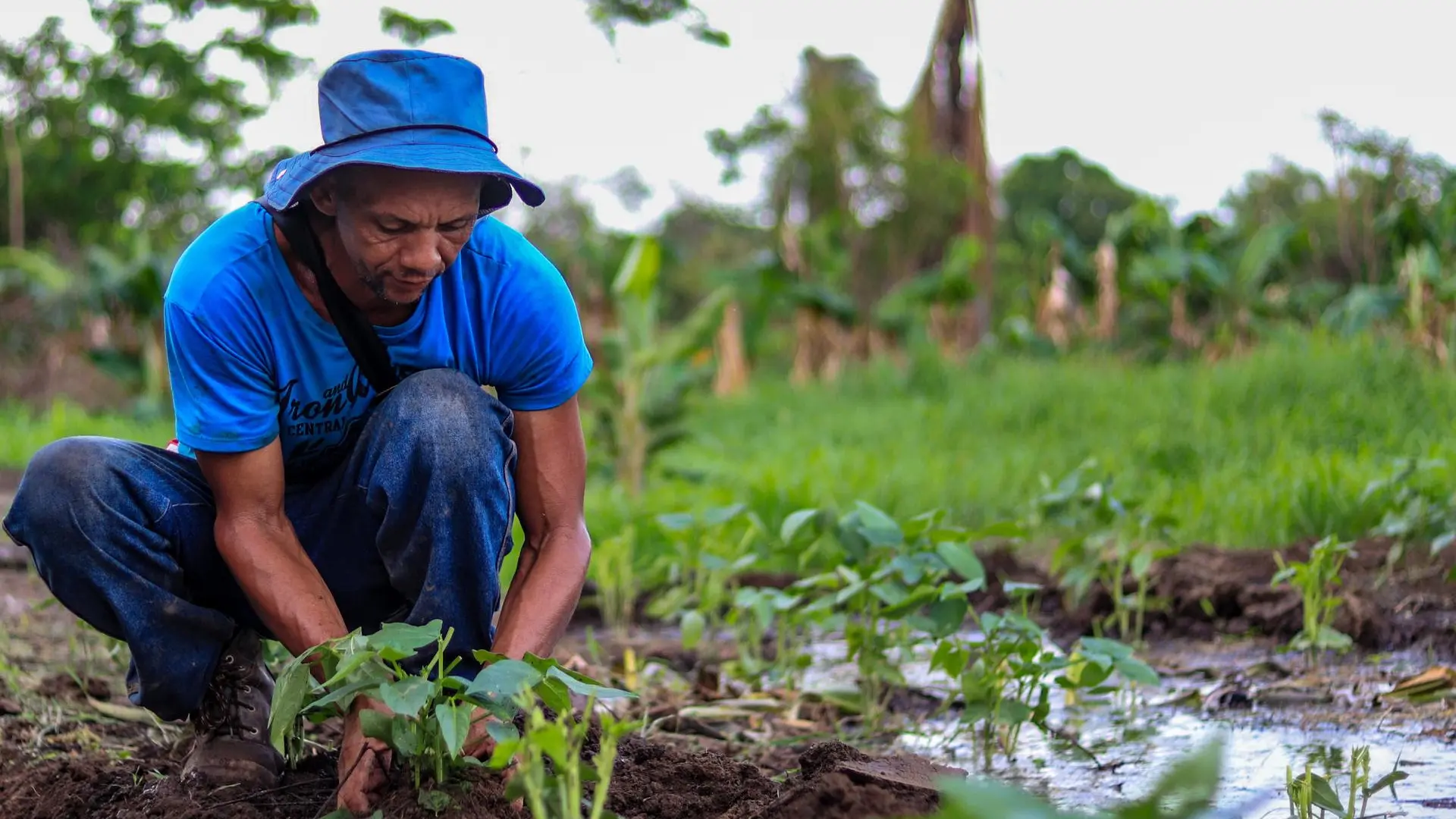
In 2023, the United Nations Development Program (UNDP) recorded that half of the world's population lives with water shortages for at least one month a year, while the Food and Agriculture Organization of the United Nations (FAO) stated in its annual report on world food security and nutrition that more than 2 billion people were moderately or severely food insecure.
La Guajira is no stranger to this context, because despite the royalties received for more than 40 years for the exploitation of mining-energy resources in the department, its communities are highly affected by thirst and hunger. In this territory, the rural population still presents high multidimensional poverty figures close to 85.4 %, as indicated by the National Administrative Department of Statistics (DANE) in 2015, aggravated by the COVID-19 pandemic, border and agricultural farm closures, the effects of climate change in the Caribbean and the minimization of social programs of companies in the region.
In this sense, the offer of the Agroecology program of Uniguajira goes beyond the training of professionals, as an alternative to respond to the needs of the environment from food autonomy and sustainable production. According to the professor and researcher of the Alma Mater Nelson Valero Valero, the intention of this new undergraduate program was born before COVID-19, at the initiative of the rector of the institution who at that time called for the creation of new programs focused on the agricultural sector. “The pandemic matured this idea by highlighting the real needs of the regions and the urgency of offering a program consistent with the situation of La Guajira,” he stressed.
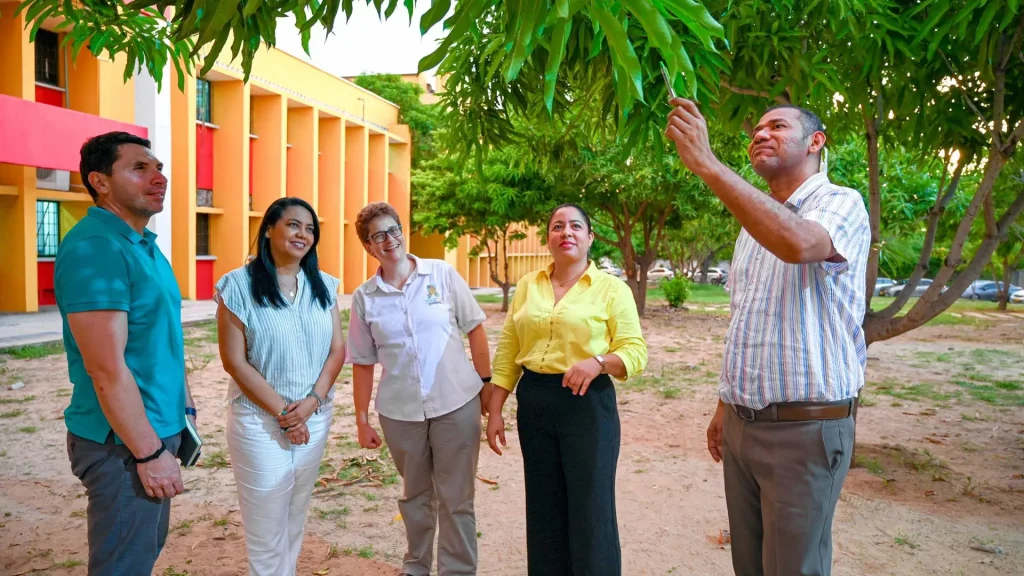
According to Marisol Santos Acevedo, a teacher at Uniguajira and master in Environmental Management, it is important that young people in the region study the program due to the shortage of professionals in both agriculture and livestock. “It is not easy to get experts on the subject in the department because we do not have a strong agricultural development, but it is necessary to enhance it since we are facing climate change and the trend is that soils are becoming drier and more desert-like,” she explained.
The academic added that cultivating in extreme environments and with ecosystemic diversity such as La Guajira, will allow showing the world the results of these advances and be a reference for the use in areas that are not so rich in water. To this end, she mentioned that it is essential to contemplate the social component of agroecology, which has historically been led by rural women, who are the caretakers and defenders of well-being and survival, without neglecting the scientific, economic and political aspects of this discipline.
Daiver Pinto Pimienta, professor at Uniguajira and PhD in Caribbean Society and Culture, said that “the agroecology program is a spearhead to contribute from academia to reorganize the territory and manage water sustainably, in order to maintain life and food production in the department, from the combination of knowledge, traditional practices and the use of scientific and technological advances.
At the forefront of the creation of the undergraduate program, which is recognized as the first of its kind in the Caribbean Region and the second nationally, were the professors of the Faculty of Basic and Applied Sciences Nelson Valero Valero, Marisol Santos Acevedo, Malka Irina Moreno Fernández, Daiver Pinto Pimienta, Javier Márquez and Adrián Radillo Cotes with the unrestricted support of Dean Kerry Díaz Fuenmayor.
Doris Cabeza Escobar
Journalist Uniguajira